
If you've got a patchy lawn in Pennsylvania, you're definitely not alone. Bare spots, thin grass, and uneven coverage are some of the most common complaints we hear from homeowners across the state. The frustrating part? Most people try to fix it by throwing down seed and hoping for the best, only to watch the same patches come back next season.
Here's the thing. Patchy grass is almost always a symptom of something else going on with your lawn. Compacted soil, poor drainage, fungus, pests, the wrong grass type, or just bad mowing habits can all leave you with that uneven look you keep trying to fix. The good news is that once you figure out what's actually causing the patches, the fix usually isn't complicated.
Below we'll walk through the most common reasons Pennsylvania lawns go patchy, what to look for, and how to bring your grass back thick and green for good.
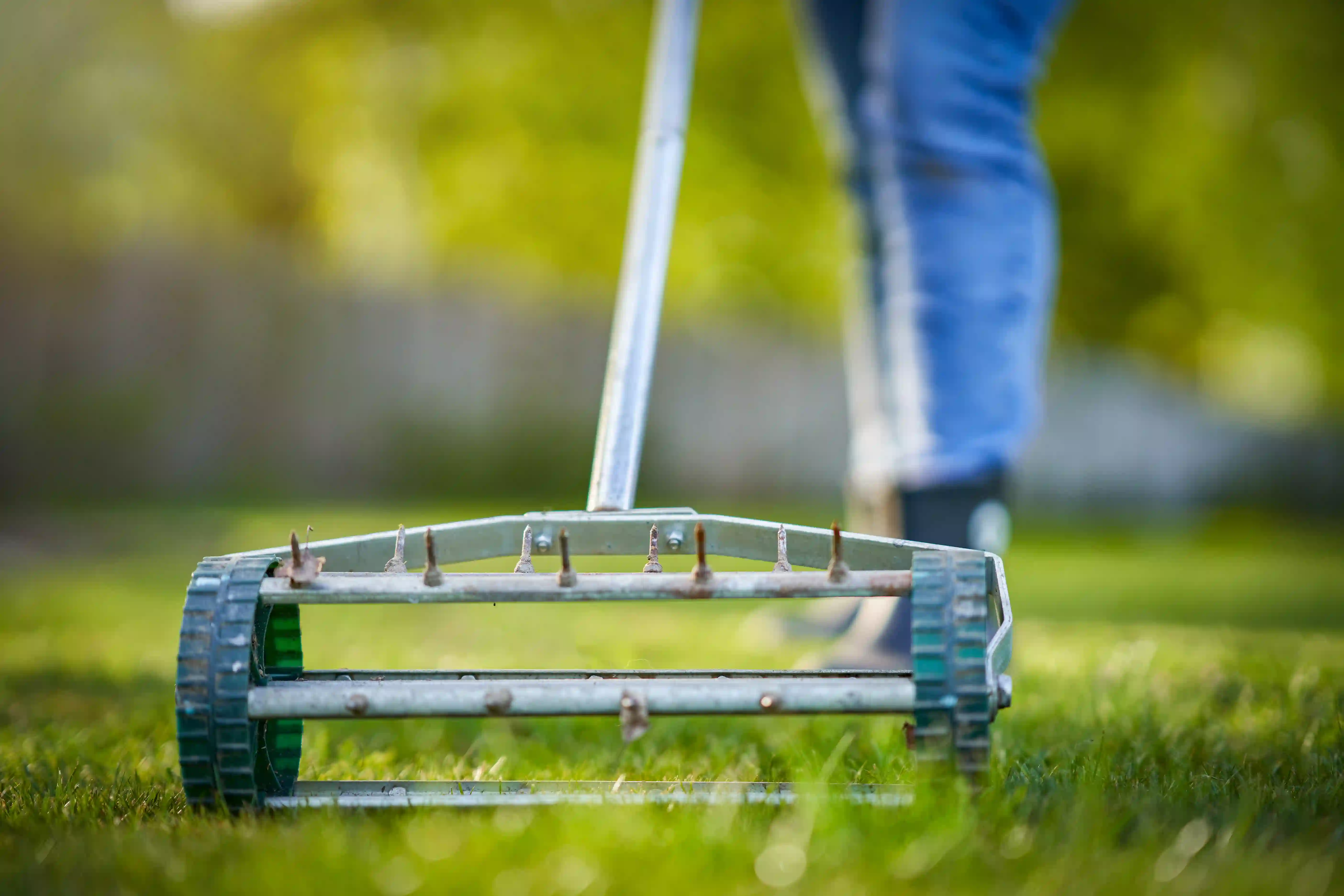
Compacted Soil Is the #1 Hidden Cause
Pennsylvania soil is mostly clay, and clay compacts. That means after a few years of foot traffic, mower wheels, kids playing, and seasonal freeze-thaw cycles, the ground gets so packed down that grass roots literally can't grow through it. Air, water, and nutrients can't get to the roots either, so the grass just gives up in those spots.
How do you know if compaction is the issue? Try sticking a screwdriver into the lawn. If it doesn't go in easily, your soil is too tight. The fix is core aeration, which pulls plugs of soil out and creates space for roots to spread again. After aeration, overseeding fills in the bare spots fast because the seed actually has somewhere to grow.
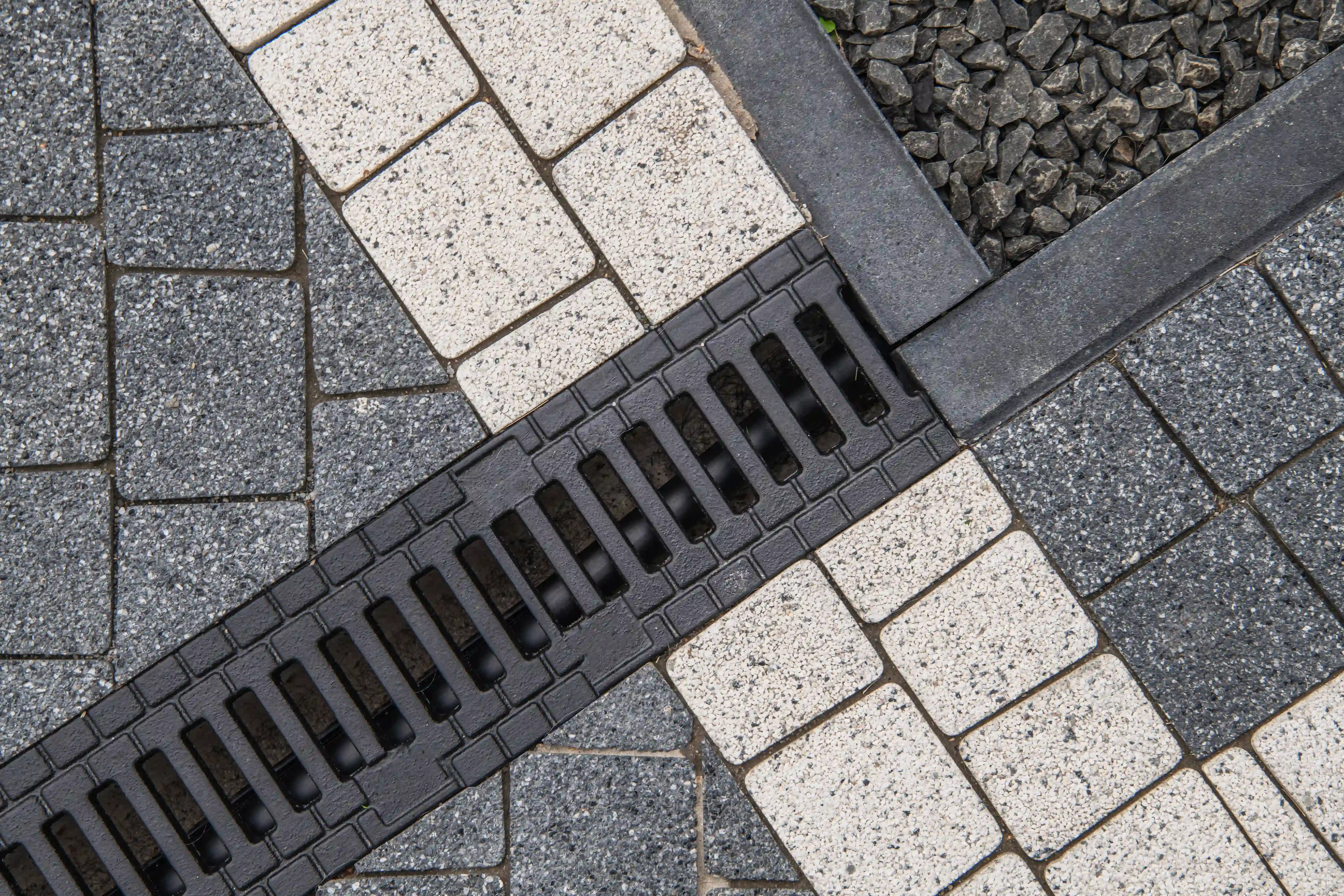
Poor Drainage Drowns Your Grass
If certain areas of your lawn stay soggy for days after it rains, those are the areas you'll see go patchy first. Grass roots need oxygen, and waterlogged soil suffocates them. You'll often notice the dead spots are exactly where water tends to pool, near downspouts, low areas, or along the edge of patios.
The fix here goes beyond reseeding. You've got to address the water issue first or the patches will come back every year. Sometimes that means installing a French drain, regrading a low area, or extending downspouts so they don't dump right next to the lawn. Once the drainage is fixed, the grass usually comes back on its own, especially with a little overseeding to speed things up.
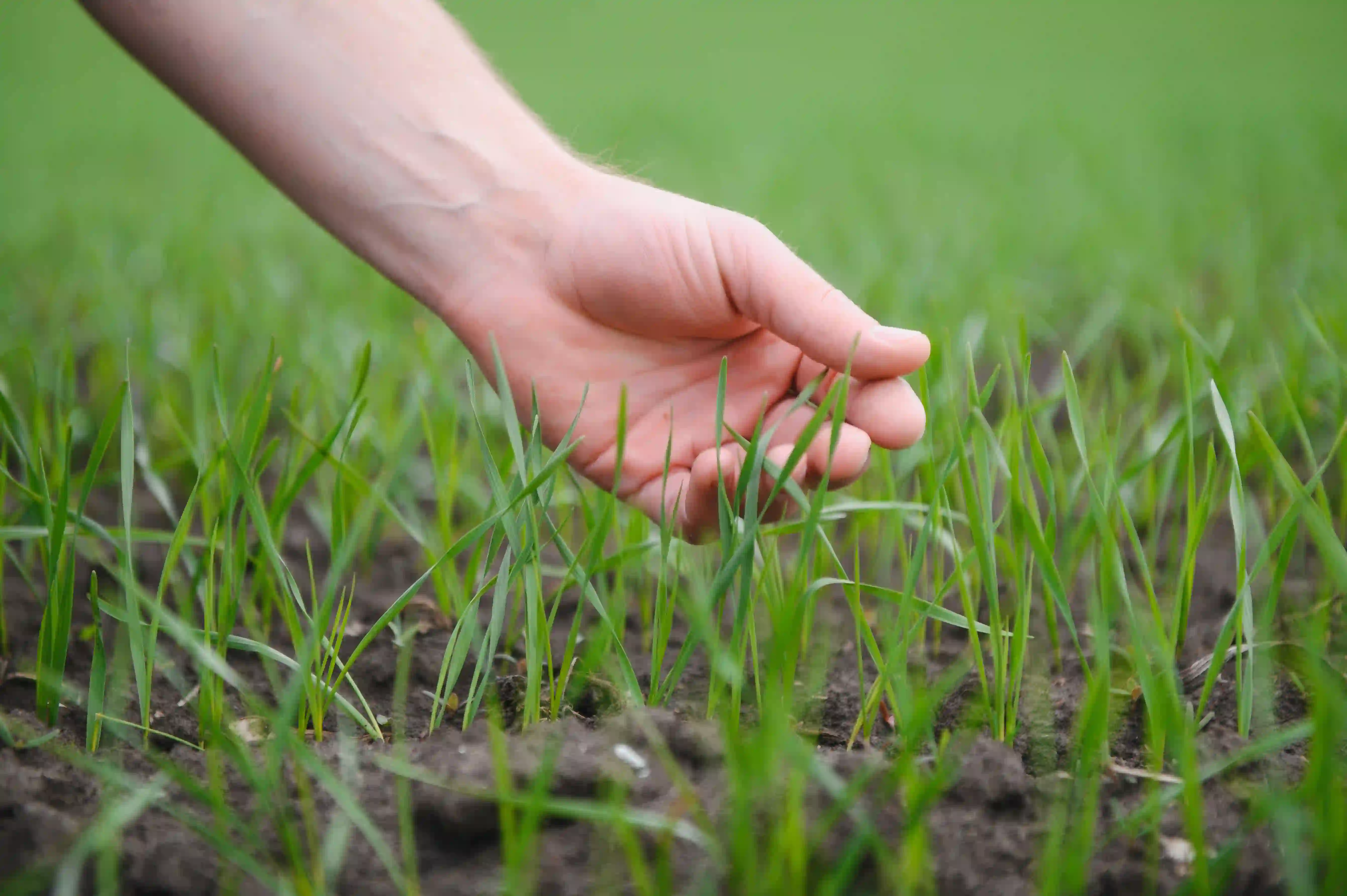
Lawn Fungus and Disease in Humid Pennsylvania Summers
Pennsylvania summers can be humid, and humidity plus warm nights is the perfect setup for lawn fungus. Brown patch, dollar spot, and red thread are some of the common ones we see across the state. Fungal patches usually have unusual shapes, like circles, rings, or irregular blotches, and the grass blades themselves often look discolored or thin.
The trick with fungus is that overwatering and watering at night make it way worse. Most lawn fungus thrives when grass stays wet for hours overnight. Watering deeply but less often, in the early morning, can solve a lot of fungal issues without any chemicals at all. For severe cases, a fungicide application along with cultural changes will usually clear it up within a few weeks.
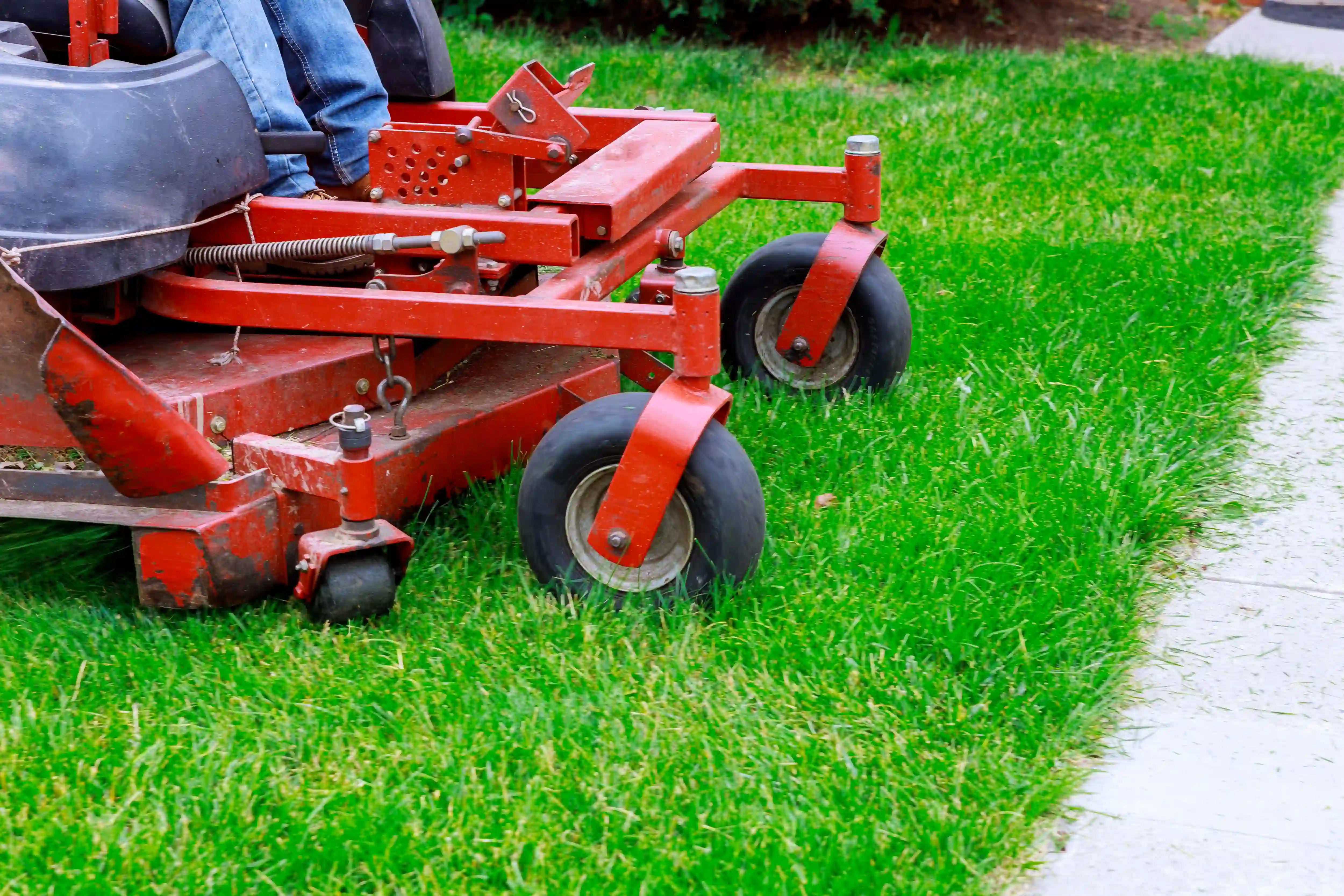
Bad Mowing Habits Make Patches Worse
This one surprises a lot of homeowners. The way you mow has a huge impact on how thick and healthy your lawn looks. Cutting grass too short, called scalping, stresses the plant, exposes the soil, and creates the perfect conditions for weeds and patches. Dull mower blades tear the grass instead of cutting it cleanly, which leaves brown tips and weakens the whole plant.
The general rule for Pennsylvania lawns is to mow at 3 to 3.5 inches during the growing season, never remove more than a third of the blade in a single cut, and keep your mower blades sharp. Mowing in different directions each time also helps prevent ruts and encourages upright growth. Small changes here can make a noticeable difference within a few weeks.
Frequently Asked Questions
Will overseeding fix patchy grass on its own?
Sometimes, but usually not. If the underlying cause is compacted soil, drainage, or fungus, overseeding alone won't last. You'll need to fix the root cause first.
How long does it take to fix a patchy lawn?
With proper aeration and overseeding, most Pennsylvania lawns show major improvement within 4 to 6 weeks. Severe cases or drainage issues can take a full season to fully recover.
What time of year should I aerate and overseed?
Early fall is the best window for Pennsylvania lawns. The grass is still growing, the weather is cooler, and weeds are less aggressive, so new seed has the best chance to establish.
Can I just throw down seed and call it done?
You can, but the results usually disappoint. Seed needs soil contact to germinate. Without aeration or raking, most of the seed just sits on top, dries out, or gets eaten by birds.
Do I need a professional to fix patchy grass?
Small areas you can usually handle yourself. Larger patches, drainage issues, or fungus problems are worth getting a pro involved, since misdiagnosing the cause means wasting money on the wrong fix.
Get Your Lawn Care Estimate in Pennsylvania
Tired of looking at a patchy lawn? Collazo Landscaping LLC offers free estimates for aeration, overseeding, and complete lawn care across Pennsylvania.