
Standing water in your yard isn't just an eyesore. It kills your grass, breeds mosquitoes, damages your foundation, and can lead to expensive water issues inside your home if you ignore it long enough. And in Pennsylvania, where clay-heavy soil and freeze-thaw cycles are the norm, drainage problems are extremely common across the state.
If you've got water pooling in your yard for days after every rain, soggy spots that never seem to dry out, or water creeping toward your foundation, you don't just have a cosmetic problem. You've got a drainage issue that needs a real solution. The good news is that fixing standing water in your Pennsylvania yard is absolutely possible. The bad news is that the wrong fix can actually make things worse.
Below we'll cover what's actually causing standing water in your yard, the most effective drainage solutions, and what to expect from each option.
Why Pennsylvania Yards Get Standing Water
Pennsylvania has three things that make yard drainage a constant battle. First, clay-heavy soil that doesn't absorb water quickly. Second, freeze-thaw cycles that compact the ground and create low spots over time. Third, plenty of rain. Add a flat or poorly graded yard, and you've got the perfect setup for standing water.
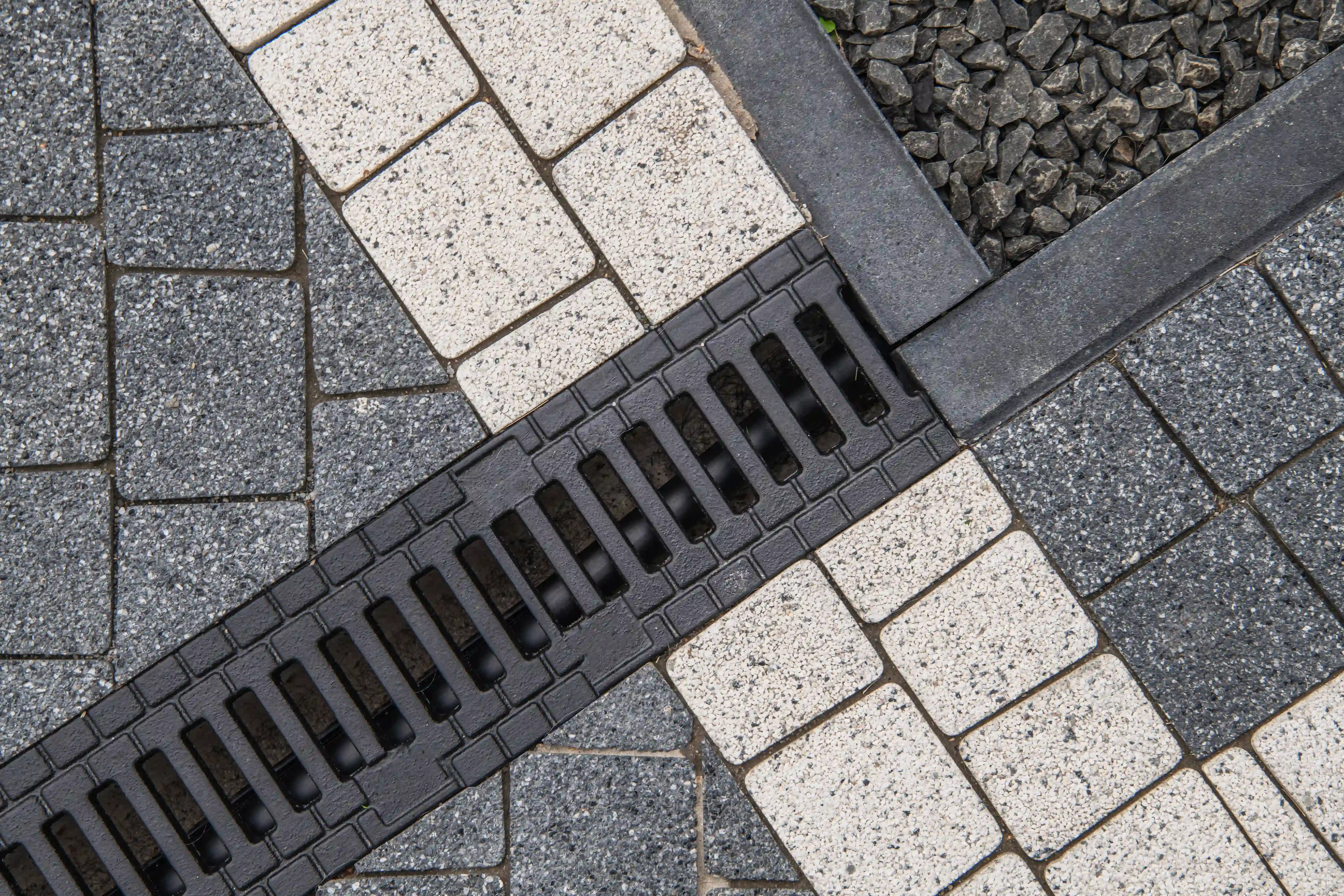
The most common spots you'll see water pooling include low areas where the ground naturally collects runoff, places where downspouts dump water directly onto the lawn, areas next to patios or driveways where surface water runs off and has nowhere to go, and low spots near the foundation. Identifying where the water is actually coming from is step one in any real fix.

French Drains: The Most Common Real Solution
A French drain is an underground trench filled with gravel and a perforated pipe that captures water and moves it somewhere else, usually a lower spot in your yard, a dry well, or a daylight outlet. They're the go-to solution for chronic standing water issues, especially in clay-heavy Pennsylvania soil.
The key thing to know is that French drains have to be installed correctly to actually work. The trench depth, slope, fabric wrap, gravel choice, and outlet location all matter. A poorly installed French drain will clog within a year or two and you'll be right back where you started. Done right, a French drain solves drainage problems for decades and pays for itself by protecting your foundation, your lawn, and your landscape.
Yard Regrading and Surface Swales
Sometimes the fix isn't underground at all. If your yard has a low spot or slopes the wrong way, regrading can move water where it should naturally go. This works best when the issue is surface water collecting in one specific area or sloping back toward your house instead of away from it.
A swale is a shallow channel that directs water across the surface of your yard to a safer location. Swales blend into landscaping when done right and can handle large volumes of water from heavy rain. Regrading and swales are usually less expensive than French drains, but they take up visible yard space and require enough property slope to work properly.
Downspout Extensions and Dry Wells
A surprising amount of Pennsylvania yard flooding comes from downspouts dumping water right next to the house. Standard downspouts release water directly at the foundation, where it pools, saturates the soil, and slowly creeps into basements over the years. The fix is simple — extend the downspouts away from the house, either above ground or underground.
For yards where the water has nowhere to go, a dry well captures and slowly releases water back into the soil. Dry wells are basically big underground holes filled with gravel and connected to your downspouts or surface drains. They handle rooftop runoff well and prevent the kind of foundation water issues that cause real damage. Combined with French drains or regrading, dry wells solve some of the toughest drainage situations.
Frequently Asked Questions
How long does it take to fix yard drainage?
Most projects take 1 to 3 days depending on the scope. French drains for the average Pennsylvania yard usually wrap up in two days, including cleanup and lawn restoration.
Will my lawn be destroyed during installation?
There's some disturbance, but a good crew restores the trenched areas with topsoil and seed before they leave. Within a few weeks the work area blends back into the lawn.
Do I need a permit to install a French drain?
In most Pennsylvania municipalities, no permit is needed for residential drainage on your own property. Tying into a storm system or working near property lines may require one.
How much does yard drainage cost in Pennsylvania?
It depends on the type and length of the system, but most homeowners spend anywhere from a few hundred to a few thousand dollars. A free on-site estimate is the only way to get a real number.
Can I install a French drain myself?
You can, but the most common DIY mistake is improper slope or skipping the fabric wrap, which causes the drain to clog. If it's worth doing, it's worth doing right.
Get Your Drainage Estimate in Pennsylvania
Standing water doesn't fix itself. Collazo Landscaping LLC designs and installs drainage solutions that actually work for Pennsylvania properties.