
If you're wondering when to aerate your lawn in Pennsylvania, you're asking exactly the right question. Aeration timing is one of those things that can completely change the results you get. Aerate at the right time and your lawn comes back thicker, greener, and healthier within weeks. Aerate at the wrong time and you might just stress an already struggling lawn or feed a perfect environment for weeds.
Pennsylvania sits in what's called the cool-season grass zone, which means the type of grass in most lawns here — things like fescue, ryegrass, and Kentucky bluegrass — has very specific times when it grows actively and other times when it goes dormant. Aeration works best when the grass is actively growing, because that's when it can recover quickly and take advantage of the open soil.
Below we'll cover the ideal aeration window, when you can also aerate as a backup, when you definitely shouldn't aerate, and how to get the best results no matter when you schedule it.
Early Fall Is the Best Time to Aerate
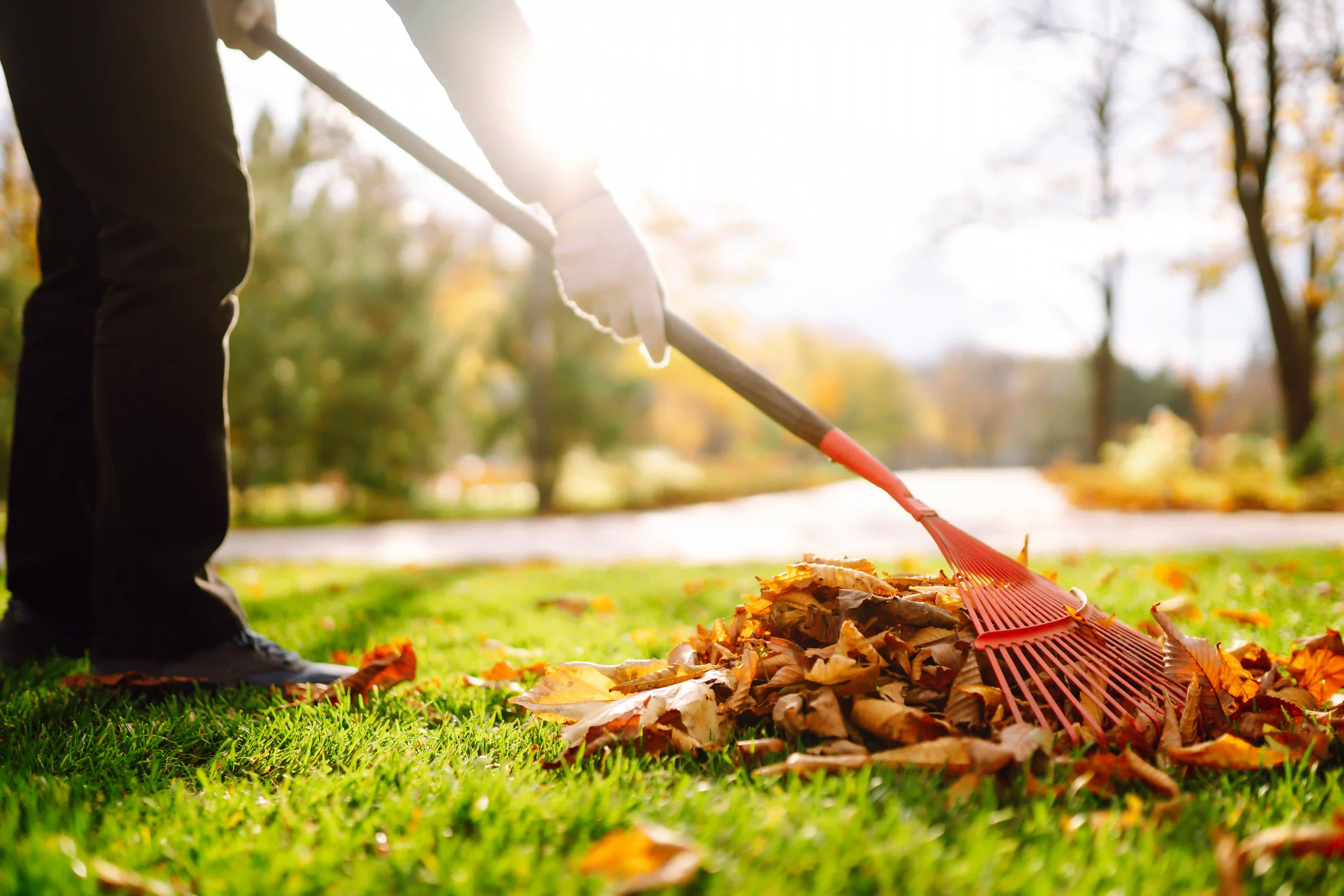
For most Pennsylvania lawns, early fall is hands down the best time to aerate. We're talking late August through October, depending on the year. The reason fall works so well is simple. The grass is still actively growing and putting energy into root development, soil temperatures are cooler so seed germinates well, and weed pressure is lower than in spring.
If you're going to overseed at the same time — which we strongly recommend — fall is also when seed has the best chance to establish before winter. The grass roots get strong before the cold sets in, and by spring you've got a fuller, thicker lawn ready to take off. Schedule your aeration for early to mid-fall and you'll see the difference within the first month.
Spring Is the Backup Window
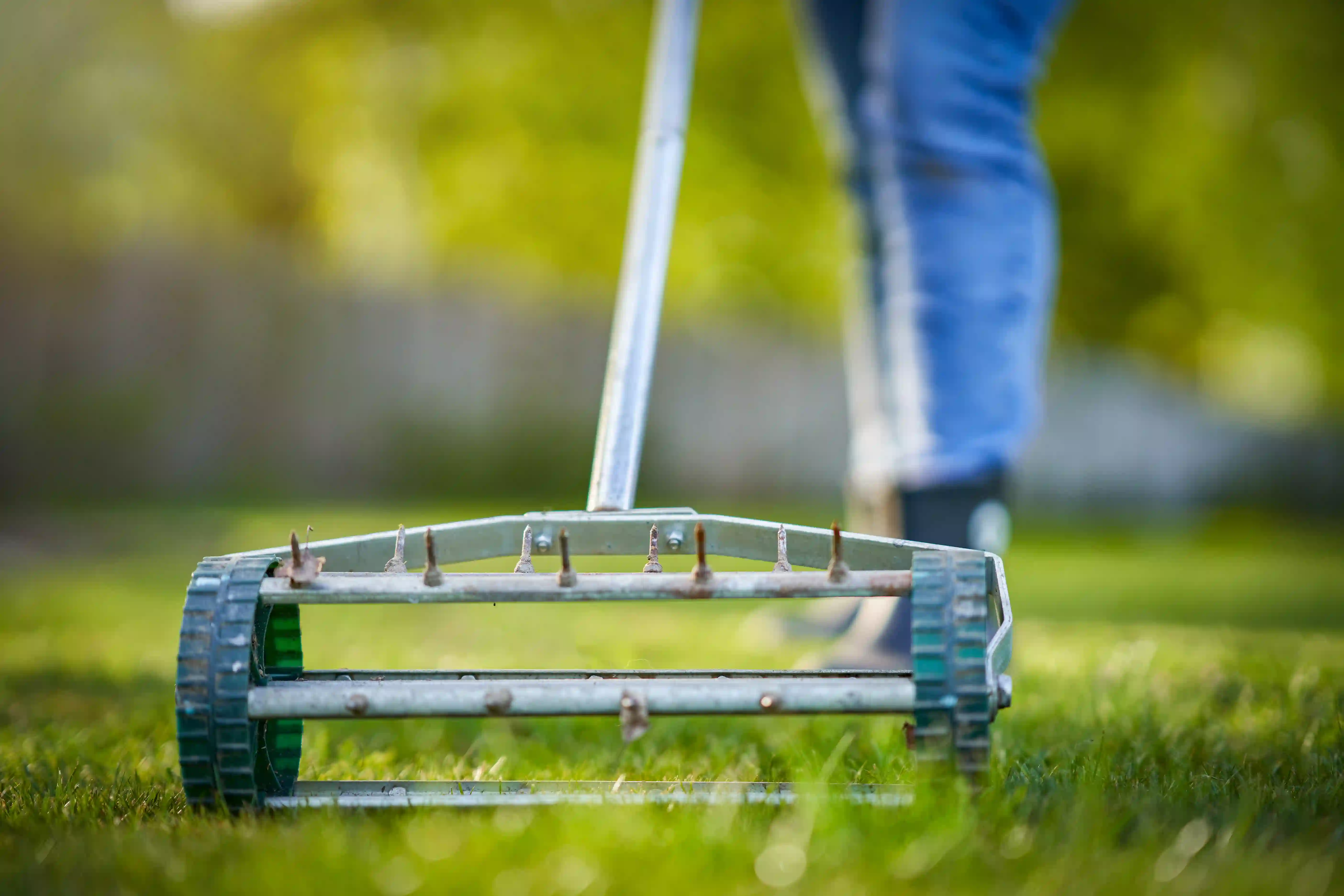
Spring aeration can also work for Pennsylvania lawns, but it comes with some trade-offs. The ideal spring window is mid-April through mid-May, after the ground has thawed but before the heat of summer kicks in. The grass is waking up, growing actively, and can recover from the aeration process pretty quickly.
The downside of spring aeration is weed pressure. Crabgrass and other weeds love the bare soil that aeration creates, and spring is when weed seeds are most aggressive. If you aerate in spring, you'll want to be careful about pre-emergent weed control timing, because pre-emergents can also block new grass seed from germinating. Fall is still the better choice if you can swing it, but spring works when fall isn't an option.
When NOT to Aerate Your Lawn
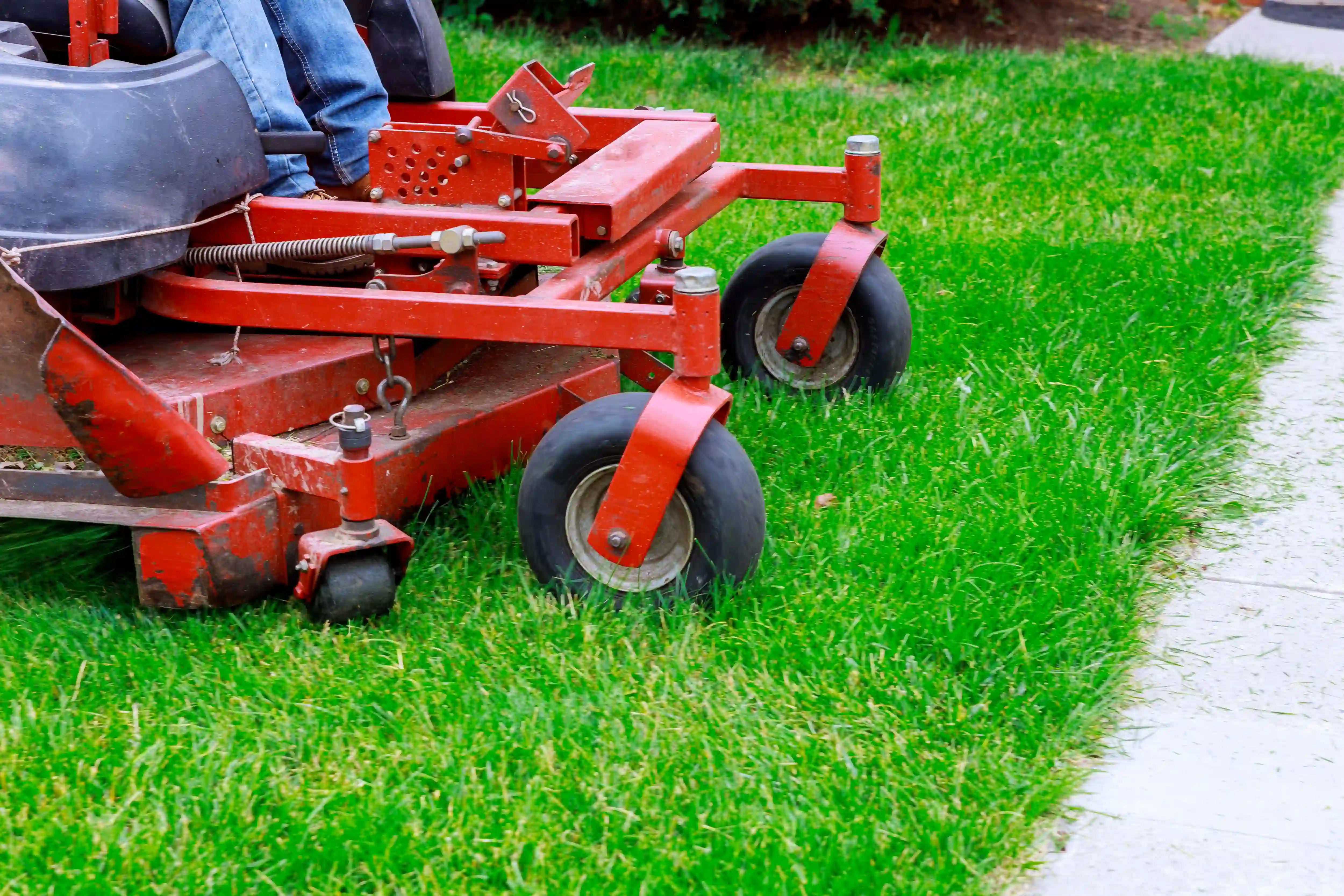
Summer aeration is almost always a bad idea in Pennsylvania. The heat and dry weather stress cool-season grass already, and pulling cores during a heat wave can push a struggling lawn over the edge. Same goes for the dead of winter — frozen ground means the aerator can't pull proper cores, and the grass isn't actively growing anyway.
You also don't want to aerate when the soil is too wet or too dry. Soaking wet soil clogs the aerator and creates a muddy mess, while bone-dry soil is too hard for the tines to penetrate properly. The ideal soil moisture is moist but firm — kind of like brownie consistency. If you can press a finger in easily and it leaves a clean indent, you're good to go.
How to Prep Your Lawn for Aeration
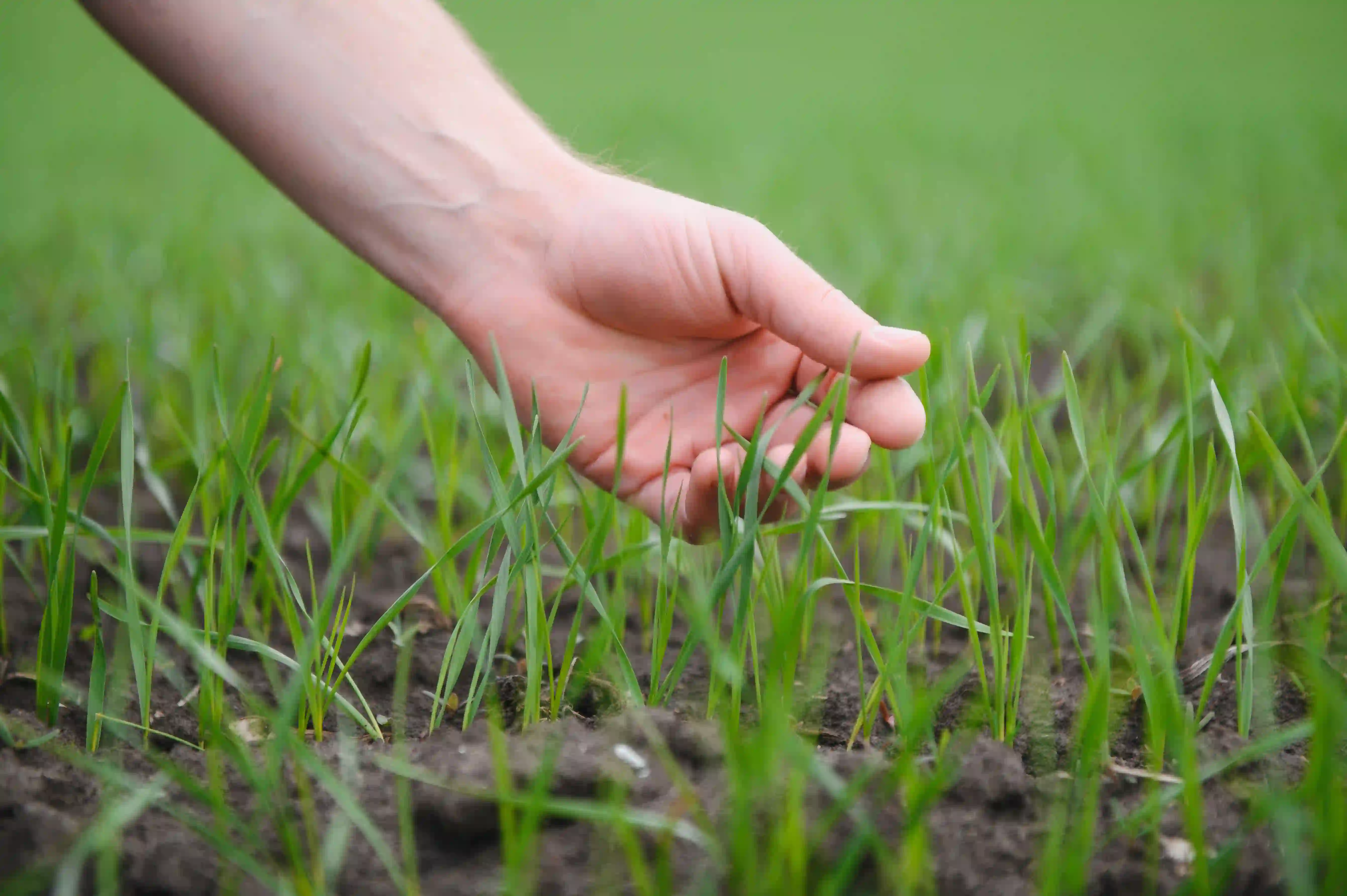
Getting the most out of aeration starts before the crew shows up. Mow the lawn slightly shorter than usual, around 2 to 2.5 inches, a day or two before. Water the lawn well a day before if conditions are dry, but skip the watering if it's already moist. The goal is firm but not rock-hard soil.
Mark any sprinkler heads, invisible fence wires, or hidden cables so the aerator doesn't damage them. Pick up sticks, toys, and pet items from the yard. After aeration, leave the soil cores on the surface — they break down naturally and add organic matter back to your lawn. If you're overseeding at the same time, water lightly and consistently for the first few weeks while the seed germinates and establishes.
Frequently Asked Questions
How often should I aerate my Pennsylvania lawn?
Once a year is plenty for most lawns. Heavy clay soil or high-traffic yards may benefit from twice a year, in spring and fall.
Can I aerate and overseed at the same time?
Yes, and you absolutely should. The holes from aeration are perfect seed-to-soil contact points. Overseeding right after aeration gives you the best germination rates.
How long until I see results from aeration?
You'll start seeing thicker, healthier grass within 4 to 6 weeks after aeration and overseeding. Full results show up the following growing season.
Do I need to water more after aeration?
If you overseeded, yes. New seed needs consistent moisture, usually light watering once or twice a day for the first 2 to 3 weeks. After that, normal watering is fine.
Should I aerate a brand new lawn?
No, wait at least a year for new sod or seeded lawns to establish. Aerating too early can damage the young root system before it has time to spread.
Get Your Aeration Estimate in Pennsylvania
Ready to give your lawn what it actually needs? Collazo Landscaping LLC offers free estimates for aeration and overseeding across Pennsylvania.